It’s been a difficult few years for researchers in Irish disapora studies, but things are looking up now with the Global Irish Studies Conference in South Africa in July (see What’s On ), and here in Australia it is pleasing to see the ISAANZ conference 26 is planned for December in Melbourne. The call for … Continue reading
Posted by huntrogers …

Twin Room as Gaeilge
This poem was published in English as ‘Twin Room” in Tinteán on the 7 May, 2019 (see https://tintean.org.au/2019/05/07/twin-room-by-david-harris/). Here is a version as Gaeilge. Continue reading

Scéalta Eile-Irish short stories with translations, a review
She is following suit with many other Irish language writers who seem to be more and more releasing bilingual books of Irish and English, these being a very helpful resource for the language learner and those of us who shift between these two languages regularly and enjoy them both. Continue reading
What’s On in June and July 23
Bloomsday’s Revival of James Joyce’s Exiles, 15-25 June Exiles (1919), James Joyce’s only play, explores questions key to his masterpiece Ulysses (1922). What is love? If love is constrained by conventional bonds of fidelity, is it love at all? This surprisingly modern take on polyamory and its dark side, jealousy, is a rare dramatic gem that must not … Continue reading

A Right Royal Cup of Tay
Tea drinking may be associated with English culture, but it is still very much part of Irish culture too. Continue reading
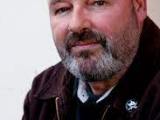
Slán ó Chroí le Maelíosa Stafford Goodbye from the Heart
We are saddened to hear of the untimely death of Maolíosa Stafford. Tomás de Bhaldraithe has sent us this account of Maelíosa’s many achievements followed by a translation: Continue reading
How Can I Write in Irish?
Writing in Irish can seem like a daunting task, especially for those who did not grow up speaking the language or have not had much exposure to it. However, with some guidance and practice, anyone can learn to write in Irish and enjoy the rich culture and history that comes with the language. Continue reading
Poetry from Michael Patrick Moore
The stars are fading,
To the east a match is struck
Heralding the dawn. Continue reading
Hidden Cargoes by Chris Arthur
Hidden Cargoes is a substantive work of research and creative analysis that also reads like a gentle musing on life by a favourite relative. Continue reading

Tinteán Submissions: a note to contributors
We have subscribers in 117 countries and on every continent. Our authors have been Irish-born and Irish resident; Irish-born and Australian resident or resident in other countries; Australian-born of Irish descent; or simply interested and involved in the Australian-Irish connection. Continue reading

