We wanted to avoid that sense that we’re going to film a quick interview, but to have them experience the process as collaborative. Continue reading
We wanted to avoid that sense that we’re going to film a quick interview, but to have them experience the process as collaborative. Continue reading

‘Ireland was in the blood, on both sides of the family. From our father, from aunts and uncles, and from our grandparents we heard tales of Ireland.’
Continue reading
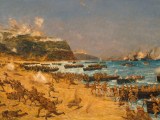
The database as it currently stands includes the names of more than 5800 Irish Anzacs. It provides families with information on their Irish-born family members who served in the AIF in the war as well as providing statistical data to assist researchers understand the contribution of the Irish to the Australian war effort. Continue reading
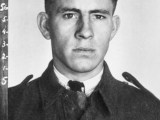
Something strange happened : all prisoners with Irish names were packed off to a Prisoner of War camp called Friesack. Continue reading

It started calm enough, but God it turned, and suddenly we were being tossed here and there and everywhere. Ger said he never saw anything like it, but we bent the oars and headed in. Continue reading
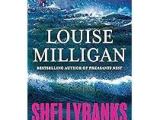
Fittingly, Milligan, a well-known, award-winning investigative reporter is capable of writing with clarity and ease as she is a journalist who turned fiction writer in recent years. Continue reading
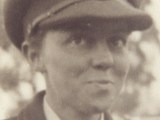
An Irish Australian woman garage proprietor and adventurer, Alice Anderson. Continue reading
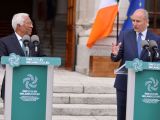
Taoiseach Micheál Martin told the ceremony that Ireland’s accession to the EU ranks among the most transformative moments in the nation’s history, having “helped us grow our economy, invest in our communities and supported social changes.” He added, “Holding the presidency is an honor and a responsibility Continue reading
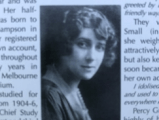
Here is a brief snapshot of Kitty Parker’s rebel ancestry: Michael Dwyer’s sister Sarah married Hugh Vesty Byrne, Dwyer’s Lieutenant. They had fourteen children. In 1825 a daughter Catherine Byrne married John Keirghan also a currency lad, or child of the convict Patrick Keirghan transported on Marquis Cornwallis, 1796, who married convict Catherine Kitts in Sydney. John Leary, convict on transport Prince Regent 1824, married convict Catherine Jones in Sydney 1825 Continue reading

This was the start of a 14 year war, which divided the Irish community. Enormous efforts to resolve the matter by many parties occurred at a high legal cost. Continue reading

