The bilingual poem below was commissioned as part of the Red Room Poetry Fellowship 2022 Continue reading

The bilingual poem below was commissioned as part of the Red Room Poetry Fellowship 2022 Continue reading

The very earliest communal gathering and feasting for which we have solid evidence are known as fulachta fia. These were the locations where an animal, probably a deer or boar, was cooked following a hunt. The sharing of food is a social act that creates and maintains bonds and obligations within a group or community, which seems to have been the entire function of these feasts. Continue reading

This poem was published in English as ‘Twin Room” in Tinteán on the 7 May, 2019 (see https://tintean.org.au/2019/05/07/twin-room-by-david-harris/). Here is a version as Gaeilge. Continue reading

Tea drinking may be associated with English culture, but it is still very much part of Irish culture too. Continue reading

We are saddened to hear of the untimely death of Maolíosa Stafford. Tomás de Bhaldraithe has sent us this account of Maelíosa’s many achievements followed by a translation: Continue reading

The author, Simon Smith, is a filmmaker who has recorded stories from around the world, and that background is seen in the writing as he fills in little details and concentrates on the lives, likes and troubles of the main characters. Continue reading
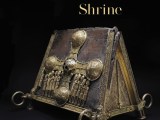
Though the shrine was built in the early twelfth century, Saint Manchan died in AD. 644. Contextual evidence allows the authors to point to possible reasons the saint’s life and work might be commemorated years later by such craftsmanship. Continue reading

Crainn Jacaranda,/buamaí gorma áille…
Jacaranda trees,lovely explosions of blue. Continue reading

‘I call that piece a wonder now; Fra Pandolf’s hands
Worked busily a day, and there she stands.’ Continue reading

Early one morning on my way to Rabaul with my family we did not see even one woman. However, we overtook many men on foot and on bicycles, all moving in the same direction with their bodies naked from the waist up. Each wore a bright red lap-lap or long piece of cloth knotted at the hip to form a skirt. Continue reading

