A 10-day cultural festival which will be celebrating the Irish culture and influence on Australia Continue reading

A 10-day cultural festival which will be celebrating the Irish culture and influence on Australia Continue reading
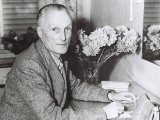
Mannix made the expected speech getting straight up the noses of loyal Australia by calling Kiernan the representative of the whole of Ireland. Continue reading
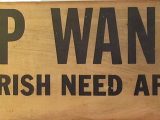
In the nineteenth century, job advertisements that specified that Irish should not apply were frequent enough in United States and England for songs, plays and jokes to be made about them. Continue reading

Níl aon tinteán mar do thinteán féin Continue reading
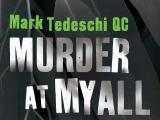
It is a highly dramatic memorial which takes the form of a secular ‘stations of the cross’, with little way-points for remembering as persons those murdered. Continue reading
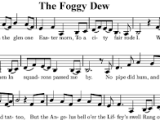
This is an extract from a paper given by Andrew Scott to the 23rd Irish Australasian conference in Adelaide in December 2016. The use of folk songs to help teach Irish history has not been sufficiently developed in Australia. The evocative power of historical Irish ballads can spark people’s interest in that history and can … Continue reading
Rosanna Flemming, an Irish Famine Orphan, had serious medical and psychological issues. It is not known what triggered them. We know that she lost at least two children in infancy, but perhaps her earlier experiences in Ireland played a part…. Continue reading
Ten verbal snapshots of the Irish in Coburg over the last 180 years… Continue reading
In September 1916, a 27-year-old police officer George Duncan was shot dead in Tottenham, a small mining town in the copper belt of western New South Wales. The perpetrators were Roland Kennedy and Frank Franz, two members of the IWW. Continue reading
The Surprise, moored at the Cove of Cork, and the Essex, at Kingstown in Dublin Bay (now Dun Laoghaire), were derelict ships which operated as holding prisons for convicts from 1823 until 1837. Continue reading
 Tinteán