Jaki McCarrick talks about the writing, at ‘white heat’, of her play, ‘Belfast Girls’. Continue reading
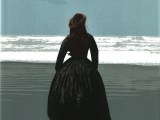
Jaki McCarrick talks about the writing, at ‘white heat’, of her play, ‘Belfast Girls’. Continue reading
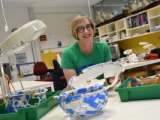
The archaeologist Originally from Trim, County Meath, Susan Arthure has been researching a nineteenth century Irish settlement in South Australia. Her 2014 Masters thesis ‘The Occupation of Baker’s Flat: a study of Irishness and Power in 19th century South Australia’ examined the illegal settlement of an Irish community of mostly labourers and their families on … Continue reading
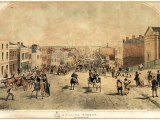
An attempt to piece together the history of the elusive Famine Orphan, Bridget Gallagher of Donegal. Continue reading
This novel is a paeon of love to Sydney and to Michael Davitt and the Ladies Land League. Continue reading
Mary Mc Connell entered the workhouse in Belfast in July 1847 as an orphan and a pauper. Continue reading
Stories about women who made an indelible impression on their children are often preserved in family folklore handed down the generations, but memory of Margaret Cooke doesn’t appear to have survived in this way… Continue reading
Anyone who has dabbled in researching Famine Orphan girls will recognise the vast amount of work and skill involved in this collection of histories. Continue reading
Named for the original builders, it is a public acknowledgement of the part played by the Irish in early Perth Continue reading
Papers will range from Irish orphan stories, Mary Lee, women in the 1916 Rising and conscription, Irish nuns and identity, chain migration, women in World War 1, through to the 20th century ‘Troubles’ and abortion reform and neonatal deaths. Continue reading
It is easy today to forget the extreme ways that nineteenth-century British society divided along sectarian lines. Continue reading
 Tinteán