this old motto means in today’s language, demanding social justice for everybody in our community. Continue reading
this old motto means in today’s language, demanding social justice for everybody in our community. Continue reading

A FEATURE by Frances Devlin-Glass Two years ago just before Easter, I was preparing a paper on Joseph Furphy’s articles for the Bulletin for a very special mobile conference to ‘God’s Own Riverina’ (Furphy’s euphoric name for the area between the Murray and the Lachlan Rivers where he was running bullock teams to remote stations, just … Continue reading

Angus Mitchell lives and works as an historian in Ireland; he was born in Africa and educated in England, and from 1992-98, he lived and worked in Brazil. What better credentials to write authoritatively about the internal milieu of Casement’s professional career? Continue reading
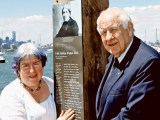
There is a surprising wealth of information in local and world history in the reminiscences of this event and how the struggles and displacement of these women pioneers, the refugees of their day, mirror life today. Continue reading

Joe is not only ‘mine host’ at Creedon’s, but also the pub’s chef, an able story-teller and willing singer and his artwork hangs in the pub’s lounge. Continue reading
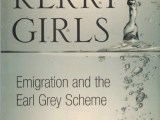
The saga of 4000 Irish orphans who were transported to Australia by the British government during the Great Famine has taken a new twist with the publication of two books this year, one in Kerry and one in Donegal, about the less well known Irish end of the story. Continue reading
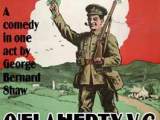
In summation, ‘A Long Way to Tipperary’ proved itself a most fitting tribute to the 200,000 Irish men and women who served in the Great War, with 50,000 (one in every four) of them making the supreme sacrifice. Continue reading

unraveling the gritty, dirty and sometimes uncomfortable side we don’t usually hear much about Continue reading

A Feature by FRAN BADER marking the centenary of the Third Home Rule Bill A centenary ago on 18 September 1914, the Third Home Rule Bill for Ireland went on the statute books in Westminster, with its implementation simultaneously postponed for a year or for the duration of WW1. At the time there was no … Continue reading

It’s a tale of an Australia which has disappeared – bourgeois, genteel (be-hatted and gloved), learned after its own fashion, but also full of patrician pro-communists. Continue reading
 Tinteán