According to the United Nations Human Development Index, Irish people enjoy the second-highest quality of life worldwide, and the country is ranked 12th in the 2024 Social Progress Index. Continue reading

According to the United Nations Human Development Index, Irish people enjoy the second-highest quality of life worldwide, and the country is ranked 12th in the 2024 Social Progress Index. Continue reading
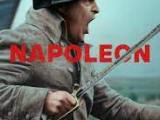
O’Meara later wrote a series of letters and a book titled Napoleon in Exile, published in two volumes in 1822 about his time with Napoleon. Continue reading

It had been many, many, years since my sister and I had been upstairs on a double decker bus. Just holding on to the two side bars on the steps going up was enough to bring back memories of running up those steps as teenagers and of boys using them to swing down without touching the steps, to the annoyance of the bus conductor. Continue reading
all public bodies are now obliged to do at least 20% of their annual advertising in Irish and to spend 5% of their advertising budgets on advertising in Irish in the Irish language media. Continue reading
Prose poetry offers freedom from structure, from line markings, while retaining rhythm, imagery and emotional layering. Bilingual prose poetry reveals yet another dimension: word choice that can challenge and provoke. That can make you question your assumptions as you read and reread. Continue reading

Much commemorated in literature and music, the 1798 legend lives on in the town because the geography and townscape have changed little. Wall walks the same trails meandering alongside the Slaney. That is his Enniscorthy, a place of enduring pain, and ancient prayer represented here by his poem, ‘Night Heron’ Continue reading
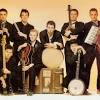
rish poetry is known for its lyricism and romanticism, and it might be seem strange to find beauty in the controversial ‘Fairy Tale of New York’, but comparisons can indeed be made between this popular song and traditional love poetry. Continue reading
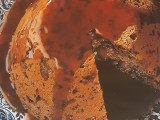
As I was growing up in Edenderry, near Tullamore, in Ireland, my mother always made a Christmas pudding. The smells of the pudding, wrapped in cloth, pervaded the house with the scent of Christmas approaching. Continue reading
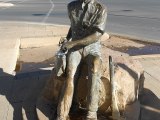
They broke the ground for the generations to follow. The Old Ghan railway was a major achievement, not only providing an essential service but in showing what is required to live and work in this challenging environment. Continue reading
Do children become the ‘littoral’ or interface that joins the émigré parent/s to the new homeland? Is the émigré in a transitioning state of ‘liminality’ until they have children born in the new country? Eamonn Wall says that having children connected him to his new home. Continue reading

